
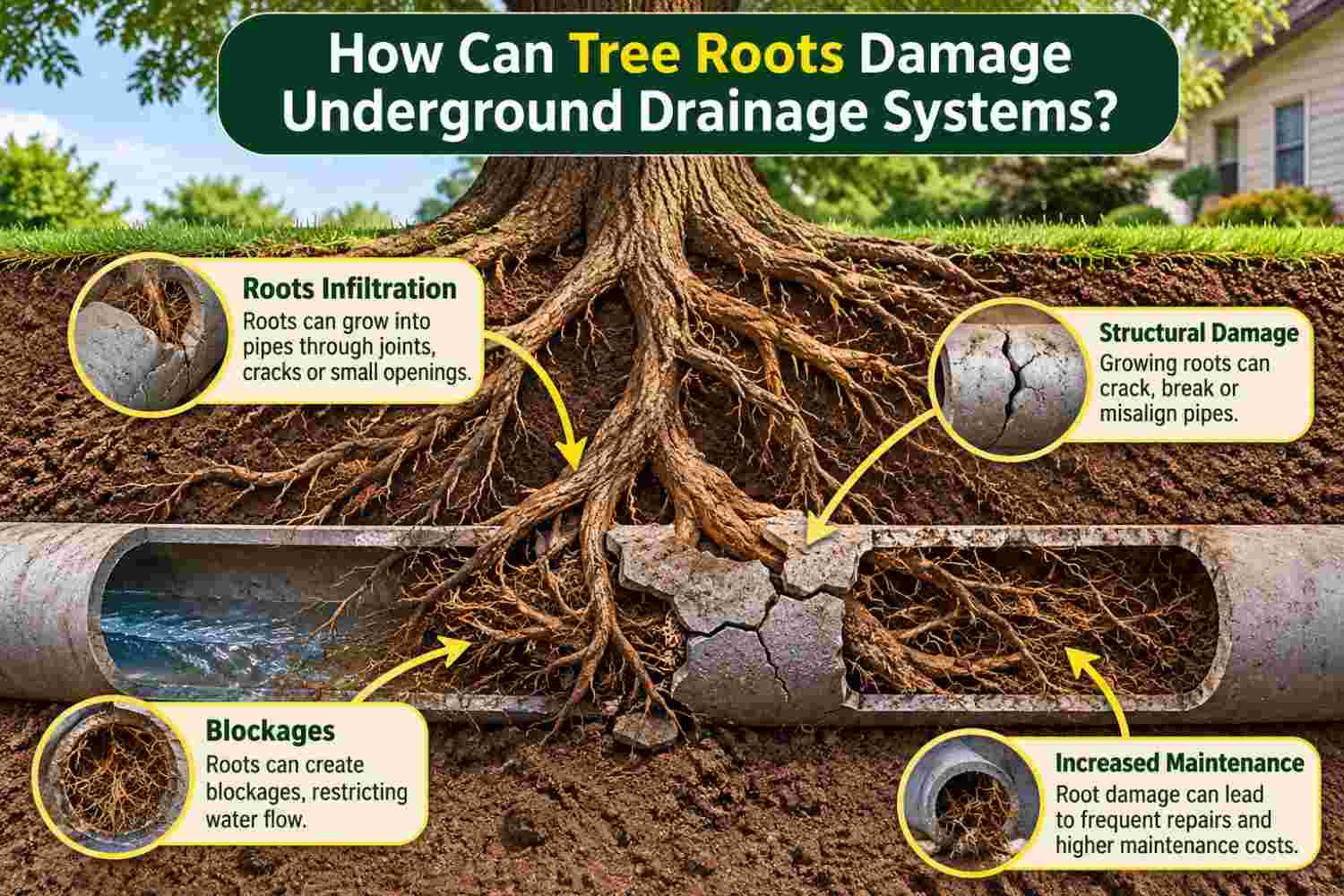
How Can Tree Roots Damage Underground Drainage Systems?
Trees provide shade, improve air quality and make our surroundings greener. However, their roots can create serious problems for underground drainage infrastructure. A small crack or leaking pipe joint can become an entry point for roots, eventually causing blockages, leakage and expensive repairs.
Understanding Tree Root Pipe Damage and Tree Root Intrusion in Drainage Pipes helps property owners identify potential risks before they turn into major problems. Choosing suitable piping materials from a reliable DWC pipes manufacturer in Delhi, such as Best Tech Pipe, can also support better infrastructure planning.
How Do Tree Roots Enter Underground Drainage Systems?
Roots of trees naturally tend to grow in the direction of water, air, and nutrients. With time, if a drainage pipe has a leak, moisture leaks into the soil, creating conditions suitable for the growth of roots towards the drainage pipe.
This process uses the technique of root intrusion, which is characterised by moisture gradients within the soil. These roots may penetrate through existing entry points, such as those in defective joints, deteriorating seals, and pipe cracks.
One thing that should be noted is that it is rare for roots to grow out of a correctly placed pipe. They actually use the existing weaknesses. The Best Tech Pipe recognises the significance of using appropriate piping materials and installation processes.
5 Ways Tree Roots Can Damage Drainage Pipes
1. Root Infiltration Through Small Cracks
Tiny holes in pipes make it easy for small roots to penetrate and start growing through the pipes. After identifying a place that is wet enough for the roots to start growing, they will start occupying more space. This phenomenon is called Tree Root Pipe Damage.
2. Pipe Joint Displacement and Leakage
Loose joints or dislocation of pipes can provide openings for root entry. Movement of soil, ageing of the material, and poor installation procedures might result in the failure of joint sealing.
In such a situation, water leakage from the underground pipes can invite roots into the network.
3. Blockages Caused by Root Growth
Once roots gain access to a pipe, they can grow within its inner lining. Grease, tissue paper, and other debris can accumulate among these roots, thus reducing the space left for the passage of wastewater.
This can have adverse effects on the efficiency of the drainage system.
4. Structural Pipe Deterioration
As the roots continue to grow around the damaged areas, they might contribute to more deterioration in the already weak joints and pipelines. Soil movement in the vicinity might add to this effect.
Such instances lead to pipe damage underground, as well as frequent drainage problems.
5. Reduced Drainage Efficiency
The root growth within the sewer line could affect the flow of the wastewater. Neglecting the problems could cause smaller clogs to become more severe drainage problems.
Drainage system maintenance will enable you to detect such problems before undertaking costly repairs.
Warning Signs of Tree Root Intrusion in Drainage Pipes
Detecting early symptoms may assist property owners in scheduling inspections. Early warning signs usually consist of:
- Persistent drainage clogs despite cleaning.
- Slow movement of wastewater through drainage points.
- Bad odours emanating from the drains.
- Wet spots around the underground drainage pathways.
- Consistent plumbing issues around areas with established trees.
These symptoms may not always lead to a diagnosis of roots penetrating into the foundation. A professional survey is helpful in this regard.
How Can You Prevent Root Damage to Drainage Infrastructure?
Maintenance of preventative infrastructure starts with proper planning, appropriate material selection, and proper installation. It is necessary for property owners to plan for any underground pipes that might be near trees, since the roots might create more issues in case of leakage of the pipe connections.
Different piping systems are provided by Best Tech Pipe to meet various infrastructure needs, like DWC pipes and inspection chambers. People seeking Inspection Chamber Manufacturers in Delhi may find some suitable choices here.
Inspection is also very important. CCTV drainage pipe inspection helps experts to look inside the pipes for any cracks, tree roots, and broken joints.
The Best Tech Pipe urges consumers to take into consideration product compatibility and installation needs while designing their drainage system, since choosing the right product and making good connections may lower the risk of complications.
Repair Options for Root-Damaged Drainage Pipes
The appropriate repair strategy depends on the level of damage. If it is minor, professional mechanical cleaning will remove the roots and ensure wastewater flow. But cleaning cannot fix the issues caused by damaged joints and cracks permanently.
A trenchless approach to pipe rehabilitation is possible if the pipeline fulfils the structural conditions necessary for its rehabilitation. Techniques like pipe lining can fix some areas of damage without excavation work.
Replacing such pipes can be a better solution to the problem. Best Tech Pipe suggests that you take into account the application and needs of your project when choosing pipe products.
Those interested in further plumbing materials may also seek the assistance of a PPR Pipe Distributor in Delhi regarding their PPR pipe requirements.
Frequently Asked Questions About Underground Drainage Pipes
1. How do tree roots enter underground drainage pipes?
Tree roots usually enter drainage pipes through existing cracks, damaged joints or poorly sealed connections. They naturally grow towards moisture in the soil and can enter pipes when they detect water escaping from damaged sections.
2. What are the common signs of tree root damage in drainage pipes?
Common signs include repeated drain blockages, slow wastewater flow, unpleasant drainage odours and damp patches near underground pipelines. A professional CCTV drainage pipe inspection can help identify root intrusion and other pipe defects.
3. Can tree roots completely block underground drainage pipes?
Yes. As roots grow inside damaged pipes, they can collect grease, tissue paper and other waste materials. This accumulation can restrict wastewater flow and eventually cause severe blockages.
4. How can tree root damage to drainage pipes be prevented?
Property owners can reduce the risk through proper pipe installation, suitable joint sealing, regular inspections and preventive maintenance. Choosing appropriate piping products from a reliable supplier like Best Tech Pipe can also support dependable drainage infrastructure.
Final Thoughts on Maintaining Reliable Drainage Systems with Best Tech Pipe
The roots of trees may cause significant drainage issues if they start entering the cracks, leakage areas, or damaged pipe joints. The knowledge of soil moisture attraction, pipe joint shifting and deterioration of pipes is essential for proper maintenance of property.
Reinspections, use of correct materials, and correct installation techniques will lower the chances of experiencing repeat drainage issues. It is the goal of Best Tech Pipe to assist customers with pipe products that meet their infrastructure needs.
Check our Google Business Profile and get in touch with us to find out more about our products and talk about your project needs. Contact Best Tech Pipe for professional help with your pipe needs.







Leave a Reply