

Understanding PPR Pipes: Meaning, Applications, Advantages, and Installation Guide
Modern plumbing systems demand materials that last long, remain safe for drinking water, and perform consistently under pressure. That is exactly where PPR pipes come into the picture. Today, builders, architects, and plumbing engineers often work with suppliers such as a PPR Pipe Distributor in Delhi, and DWC pipes manufacturer in Delhi when they want a reliable and standards compliant piping solution.
This blog explains what a PPR pipe is, the PPR pipe full form, meaning in plumbing, practical uses, benefits, price factors, and installation basics. All explanations align with globally accepted plumbing standards and real-world construction practices.
What Is PPR Pipe?
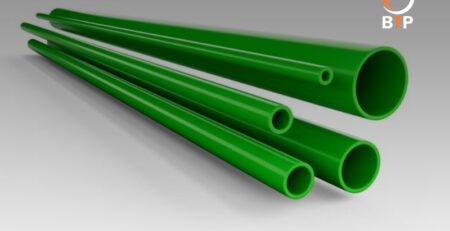
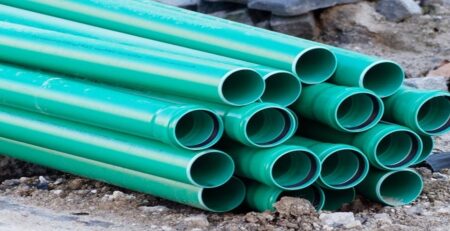
A PPR pipe is a plastic piping system manufactured from polypropylene random copolymer, a thermoplastic polymer engineered for pressure and temperature resistance.
The PPR pipe full form is Polypropylene Random Copolymer Pipe. This material belongs to the polypropylene family and is widely approved for potable water applications.
Industry standards such as ISO 15874 define PPR pipes as pressure piping systems suitable for hot and cold water installations. Their structure allows them to carry water without corrosion, scaling, or chemical reaction.
Also Read: Why PPR Pipes Are the Best Choice for Hot and Cold Water Plumbing
PPR Pipe Meaning in Plumbing
The PPR pipe meaning in plumbing, refers to a long-life, heat-fused piping system designed to replace traditional metal and low-grade plastic pipes.
When professionals talk about the PPR meaning in plumbing, they usually refer to three key qualities:
- Hygienic water transport
- Strong, leak-free joints
- Resistance to heat and internal pressure
Unlike threaded or solvent-based systems, a PPR pipe system forms homogeneous joints through fusion welding. That joint becomes as strong as the pipe itself, which significantly reduces leakage risk.
What Are PPR Pipe Fittings?
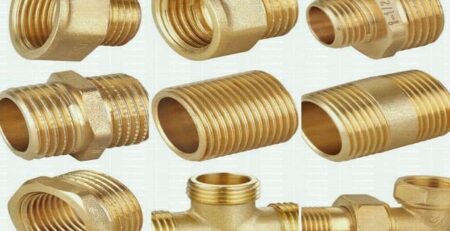
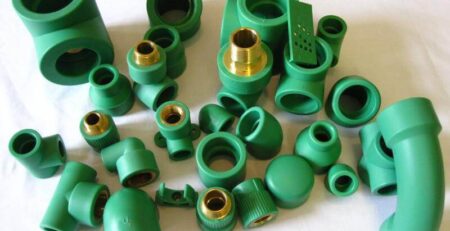
A PPR system is incomplete without proper PPR pipe fittings. These fittings are manufactured from the same polypropylene random copolymer material to ensure uniform performance.
Common fittings include:
- Elbows for direction change
- Tees for branch connections
- Couplers for joining pipes
- Reducers for size changes
- Valves for flow control
During installation, installers fuse the fittings with the pipe using controlled heat. According to ISO and DIN guidelines, this method creates a permanent joint without using adhesives or mechanical threads. That is why well-installed PPR pipe joints perform reliably for decades.
Uses of PPR Pipes
Domestic Water Supply
PPR pipes for water supply are widely used in residential buildings. They safely carry drinking water and do not alter taste, odor, or color. Health authorities and building codes prefer non-corrosive materials for potable water systems.
Hot and Cold Water Plumbing
Hot and cold water PPR pipes handle high operating temperatures defined by pressure class ratings such as PN16 and PN20. This makes them suitable for bathrooms, kitchens, and centralized water heating systems.
Commercial Buildings
Hospitals, hotels, offices, and educational institutions rely on PPR plumbing pipes due to their durability and low maintenance requirements. These spaces cannot afford frequent plumbing failures.
Industrial Applications
Industries use PPR pipes for compressed air lines, chemical transport, and process water systems. Polypropylene random copolymer shows strong resistance to many chemicals, as documented in polymer engineering references.
Benefits of PPR Pipes
Long Service Life
Laboratory testing under ISO 15874 demonstrates that PPR pipes can achieve a service life exceeding 50 years under standard operating conditions.
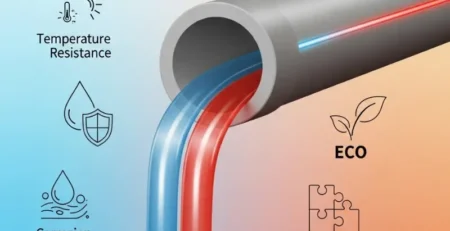
Thermal Stability
PPR pipes maintain dimensional stability under continuous hot water flow. This property makes them suitable for concealed installations inside walls and floors.
Leak Free Fusion Joints
Heat fusion welding creates a monolithic structure. Unlike threaded joints, this method eliminates common leakage points.
Corrosion and Scale Resistance
PPR pipes do not rust or scale internally. This ensures consistent water flow and pressure throughout the system.
Hygienic Performance
Polypropylene does not support microbial growth. This characteristic supports water hygiene requirements outlined in plumbing safety guidelines.
Understanding PPR Pipe Price
The PPR pipe price varies based on technical and quality parameters, not arbitrary factors. These include:
- Pipe diameter and wall thickness
- Pressure class rating
- Compliance with ISO or BIS standards
- Type and quantity of PPR pipe fittings
Although the initial cost may appear higher than that of basic PVC pipes, life cycle cost analysis shows that PPR pipes often reduce long-term expenses through lower maintenance and replacement needs.
PPR Pipe Installation Basics
Cutting and Preparation
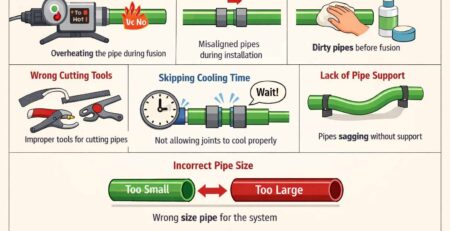
Installers cut pipes using proper tools to ensure square edges. Clean cuts improve fusion quality.
Heat Fusion Process
PPR pipe installation uses a temperature-controlled fusion machine. Both the pipe and fitting heat evenly before joining.
Correct Alignment
Installers must align the pipe correctly before welding or fusing. Rotating after joining weakens the joint, which is why trained technicians follow strict installation procedures.
Pressure Testing
After installation, plumbers conduct pressure testing as recommended by plumbing standards. This step verifies joint integrity and system performance.
For verified suppliers and installation support, many professionals check the Best Tech Pipe listing on Google My Business. It helps confirm location authenticity, business details, and customer credibility.
Also Read: The Role of FRP Manhole Covers and PPR Pipes in Modern Infrastructure
Why PPR Pipe Systems Are Widely Preferred
Construction professionals value consistency, safety, and adherence to compliance standards. A complete PPR pipe system meets these requirements without unnecessary complexity. It supports modern building codes and sustainable construction practices.
Reliable suppliers, such as a PPR Pipe Distributor in Delhi, a DWC pipes manufacturer in Delhi typically provide products tested according to ISO, DIN, or BIS specifications. This assurance helps builders meet regulatory and quality expectations.
Standards and Reference Framework
The information in this article aligns with:
- ISO 15874 – Plastic piping systems for hot and cold water
- DIN standards for polypropylene piping
- Bureau of Indian Standards (BIS) guidelines for plastic plumbing systems
- Polymer engineering data used in plumbing material certification
These frameworks form the backbone of modern PPR pipe manufacturing and usage worldwide.
Conclusion
If you are planning a new plumbing project or upgrading an existing system, choosing the right PPR pipes and fittings makes a long-term difference. For certified products, technical guidance, and dependable supply, connect with a trusted PPR Pipe Distributor in Delhi, DWC pipes manufacturer in Delhi. You can also check the Best Tech Pipe location on Google My Business to verify details, explore products, and take the next step with confidence.



Leave a Reply